
Adopt a Yiwu mixed-carton receiving record only if it can locate stock by exact item and supplier model/version and document who can hold or release it. Use the Goody King Magnetic Building Cubes and Blocks recall as an external identity check—not as evidence that another building set is affected. Keep set piece count, quoted sales unit, carton quantity, and MOQ separate, and retain carton-to-lot links after repacking or stock transfers.
The working record below is a recommended purchasing and warehouse control. It supports traceability; it does not itself detect an undisclosed construction change or replace product safety testing.
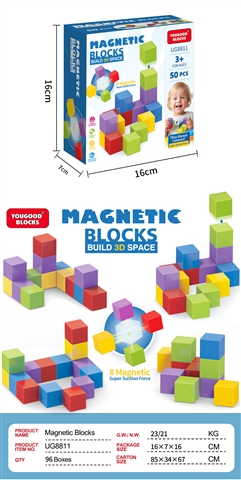
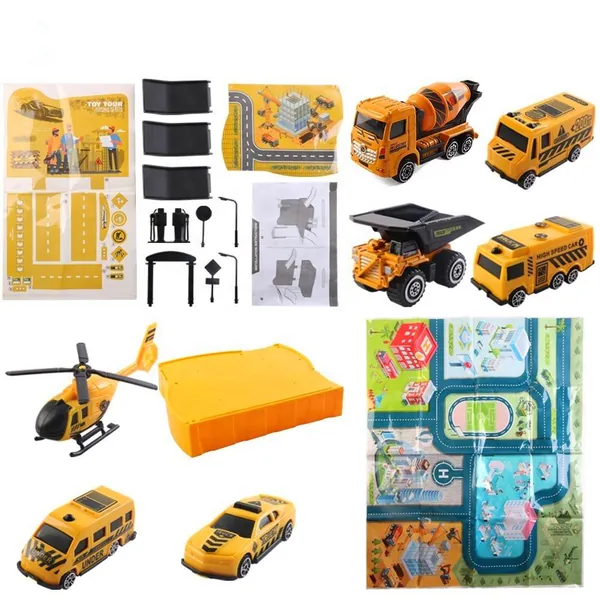
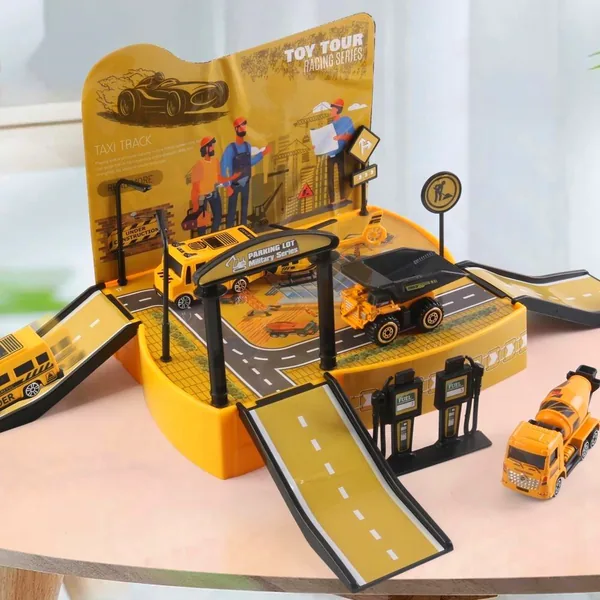
What does the Goody King notice establish for an inbound order?
The August 13, 2026, US recall identifies named Goody King magnetic building cube models; it does not establish that another supplier or catalog item is affected.
CPSC recall 26-686 states that magnets can become loose if the recalled cubes break or open. Swallowed high-powered magnets can attract one another or other metal objects inside the digestive system, causing serious injury or death. That mechanism supports questions about magnet containment only for products confirmed to contain comparable magnetic components. CPSC recall 26-686
The notice reproduction lists sets of 45, 56, 100, 120, 150, and 300 cubes and states that the recalled model numbers appear on the back of the packaging. Capture the printed model, brand, style, and set size together. Piece count helps narrow a search, but a matching count alone does not identify a recalled product. Do not derive piece count from the digits in a model number. Justia recall reproduction
For EU and other global buyers, this US notice remains a product-identity reference, not evidence of the compliance status of a different item in another market.
112-Piece DIY Flower Building Set
| Exact catalog identity | Site SKU: YT350119. Catalog name: DIY Educational Building Blocks Flower Set 112PCS. Record the supplier's printed model and version separately. |
|---|---|
| Set piece count | 112 pieces in the catalog description. This is not the carton quantity or order quantity. |
| Recorded material | ABS plastic building blocks. Confirm the construction and included components against the sample; this description alone does not establish whether any magnets are included. |
| Packing and carton reference | Color box; 36 catalog units per carton. Confirm that the quoted sales unit is one complete 112-piece set and obtain the actual contents list for each mixed carton. |
| Base MOQ reference | 108 catalog units. Confirm the sales unit and current applicability before ordering. Keep this minimum separate from carton quantity and any proposed customization minimum. |
How should stock, color, logo, and packaging choices be recorded?
Choose the approved standard configuration when the order does not require a change; treat each requested color, logo, or packaging change as a separately identified revision before acceptance.
Request current availability by exact model, color assortment, and box version, plus the conditions for reordering that same configuration. A catalog listing is not an inventory reservation. If a change is proposed, request its own quotation, MOQ, production timing, and approval sample rather than carrying over the standard item's reference MOQ.
Compare quotations on the same basis: one complete set with the same piece count, accessories, and packing. Record the ordered quantity, sales unit, carton quantity, and MOQ in separate fields. A carton quantity is not automatically an order multiple.
Preserve the approved box artwork or sample reference alongside the product specification. A logo-only change and a change to the cube enclosure are not equivalent revisions; identify exactly what changed.
Which fields are mandatory in the inbound lot record?
| Record identity and revision | Receiving-record ID; form revision; receiving date; purchase order and line; shipment or delivery reference; supplier's legal name. |
|---|---|
| Exact product identity | Site SKU; supplier model/version; printed brand and style; barcode where present; packaging photographs showing identifying markings. |
| Approved target | Approved specification revision and sample reference; set piece count; included components; agreed color assortment, logo, packing, and age marking. For magnetic products, link the approved magnetic construction and retention details. |
| Observed configuration | Record the markings, configuration, and packing actually checked, the inspection scope, and photograph or sample references. Enter discrepancies alongside the approved target rather than overwriting it. |
| Commercial unit and quantities | Quoted sales unit; ordered quantity; expected units per carton; cartons and units received; shortages or overages. Keep set piece count and reference MOQ in separate fields. |
| Lot-to-carton mapping | Supplier batch/lot marking, if provided; internal receiving-lot ID; unique carton ID; item, version, lot, and quantity within each mixed carton. |
| Stock location and movement | Initial bin; current bin; saleable or held status; quantity by location; dated transfers, repacks, and parent-to-child container links. |
| Outbound and quantity reconciliation | Dispatch and customer/order references; returns and disposition records; quantities remaining, held, dispatched, or otherwise accounted for. |
| External-notice review | Review date and reviewer; notice URL, number, and date when relevant; brand, model, style, and set size compared; identity evidence and comparison result. |
| Receiving sign-off | Receiver's name and date; quantity and identity checks completed; discrepancies and immediate containment action. |
| Hold or release authorization | Decision; affected cartons/lots and quantity; reason; specification revision and evidence reviewed; release conditions; designated quality or product-safety approver's name and date. |
| Follow-up closure | Action owner; due date; supplier response and supporting evidence; final disposition; reconciled quantity; closure approver and date. |
What triggers a hold, and who can release the stock?
Place the relevant stock on an operational hold when product identity plausibly matches a notice, an unapproved version is received, or a magnetic product has damaged enclosures or accessible loose magnets.
Under the proposed procedure, the warehouse receiver can initiate a hold immediately. A designated quality or product-safety approver decides its scope and authorizes release or disposition, recording the date, reasons, and exact specification revision reviewed. The buyer signs off commercial deviations but does not independently release a safety hold.
Search by printed brand and supplier model first, then cross-check style, set size, packaging photographs, and lot information. Trace the results through current bins, repacked containers, transfers, and outbound orders—not just the original purchase-order line.
Block the identified stock electronically and label it physically. If a mixed carton cannot yet be separated reliably by item or lot, hold the unresolved carton contents while completing the mapping. Extend the hold to other stock only where the identity or lot evidence warrants it; a shared purchase order alone is not a reason to treat every item as affected.
A plausible match is a reason to investigate, not proof that the site item is recalled. A missing field proves neither safety nor a defect. Resolve the identity question using packaging, shipment records, samples, and relevant supplier evidence. Keep confirmed recalled stock out of saleable inventory and route it to notice-specific disposition; do not release it merely because a supplier gives a general assurance.
Close the action only after the approver records the outcome and the stock quantities reconcile. Any conditional release must state the conditions, responsible owner, and evidence required before stock becomes saleable.
What should the supplier confirm before the next order?
Send the supplier an identity-and-packing request tied to the purchase-order line and approved revision, rather than asking only whether the item is available.
| Printed identity and version | What exact brand, model, version, and barcode will appear on the delivered box? Please send photographs of all identifying panels and explain any difference from the approved sample. |
|---|---|
| Set contents and magnetic components | What is the complete piece and accessory list? Does any included component contain a magnet? If yes, identify the magnet specification, enclosure, retention method, and relevant construction evidence. |
| Unit, carton, and lot structure | Does one quoted sales unit mean one complete set? Confirm units per carton, the contents of each mixed carton, batch markings, and how different models or production lots will remain identifiable. |
| Availability and reorder conditions | Which exact colors, assortments, and packaging versions can be allocated to this order? What must be reconfirmed to reorder the same configuration, and how will proposed substitutions or revisions be submitted for approval? |
| Color, logo, or box changes | For each requested change, confirm the quotation basis, applicable MOQ, timing, approval sample, and revised identity markings. Keep these terms separate from the standard catalog configuration. |
| Comparable component questions | For a magnetic product, does it share a model, enclosure mold, or magnetic subassembly with a product identified in the Goody King notice? If yes, provide the exact relationship and supporting records. Shared components are a review lead, not by themselves proof of recall coverage. |
| Order-specific documents | Provide the agreed age marking and destination-market documentation for the exact delivered construction, with references that can be linked to the approved version and receiving record. |