
If your quotation does not name a tool number, a revision, and a packaging version, you cannot prove the sample and the quotation describe the same toy — and the gap shows up on the second lot, not the first. The fix is not a longer email thread; it is a one-page evidence register that locks photos, SKU, functions and packaging revision to the quoted line.
Use this toy supplier sample approval checklist before you approve a sample or pay a deposit: demand a sealed physical golden sample on the QC shelf as the comparison standard, a labelled revision card, and quoted specs that map one-to-one against the sample you actually hold. Anything that only exists in a photo is a hero unit until proven otherwise.
What buyers should decide before approving a sample
- A sealed physical golden sample, not a photo, is the only defensible production standard. Buyers who approve from a picture alone usually discover the colour, fit or function drift when the bulk lot lands.
- A booth or trade-fair sample is frequently a hero unit. Treat fair photos as marketing, and require the tool number and revision card as the production reference instead.
- One certificate rarely covers two different papers. UKCA marking and a VOC test file on an electric bubble machine are separate documents; if the paperwork is not mapped to the market and the lot, it is not paperwork.
- An inspection number belongs to the PO inspection plan, not to a catalogue sentence or a blog. Agree the defect classes and the release rule in writing before production starts.
- Commercial terms are part of version control. Incoterms without a named place, or a tooling fee without frozen ownership and storage terms, create disputes that outlast the production run.
Which fields must match between the sample and the quotation?
At minimum, six fields must match: product identity and SKU, functions and colourways, materials and finish, packaging revision, labelling and warnings, and the tested configuration named in the compliance file. If any one of these is silent in the quotation, you are quoting a family, not a version.
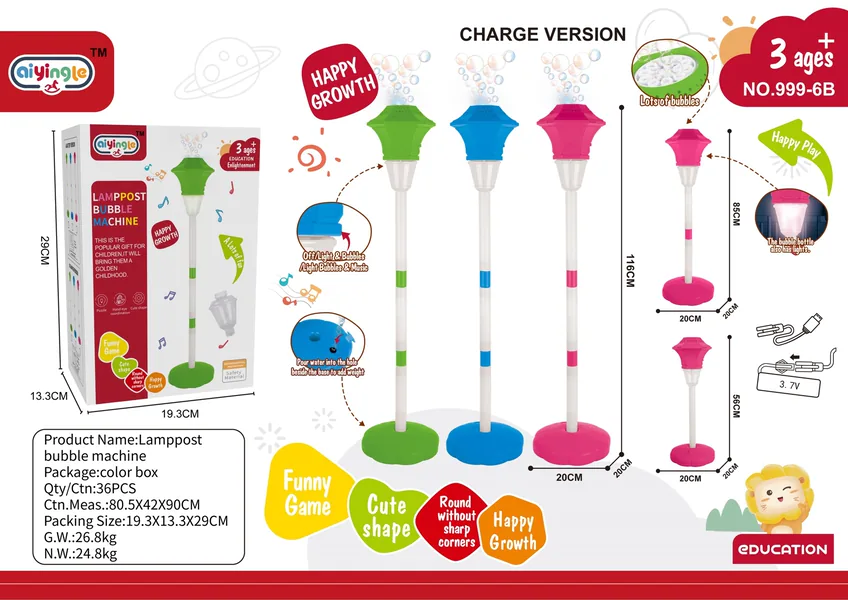
Take a charging bubble machine as an illustrative case — one catalogue record lists such a unit in ABS, PP, PVC and PE at an MOQ of 108 pieces and a reference FOB price of 3.32 USD. That record alone cannot confirm a sample: it carries no functions list, no colourways, no packaging revision and no version date. A buyer receiving that quotation should ask which revision the 3.32 USD refers to, and whether the quoted packaging artwork is the same one that was photographed.
For EU-bound toys, electrical functions are assessed separately from mechanical EN 71 evidence. A mechanical report does not complete an electrical assessment, so the quotation should state which configuration was tested — not that 'the toy is EN 71'.
Evidence register: what to record, and why it decides the version
| Sample identity | Sample ID, date received, sender, courier reference, and whether the piece is sealed or a working unit |
|---|---|
| Tool / revision | Tool number and revision code printed on the sample and repeated in the quotation; treat a missing revision as an open item |
| Photo provenance | Front, side, back and detail photos with a stated source: production-representative unit or exhibition hero unit |
| SKU and functions | SKU, function list, colourways, material grades and finish, each traced to a sample photo or a quotation line |
| Packaging revision | Packaging version, artwork revision, blister or colour box, insert and instruction sheet edition |
| Labelling and warnings | Age grading, warning text, importer or manufacturer identification, traceability marking and batch code |
| Compliance file mapping | Which document covers which market, product configuration and test edition — and the report or certificate date |
| Commercial terms | Incoterms version with a named place, tooling fee, ownership, storage period and release conditions |
| Inspection basis | Defect classes, inspection plan and release rule as agreed on the purchase order |
Why Chenghai and Shantou factories keep a sealed golden sample on the QC shelf
In Chenghai, part of the Shantou toy manufacturing cluster in Guangdong, the argument that ends a colour dispute is the sealed golden sample on the QC shelf. Emails do not end it. Bulk is compared against that physical piece for colour, fit, flash and function — and that is also why buyers who approve only a photo pay for it on the second lot.
The cluster's advantage is not a slogan; it is tooling, moulding, assembly and packaging within a short radius, plus a dense base of component and print suppliers. That density shortens the loop between a revision decision and a new sample, but it also multiplies the number of near-identical versions in circulation. Two suppliers quoting 'the same' bubble machine may be running different tools.
Yiwu operates differently. It is a trading and small-order hub rather than a moulding base, which makes it efficient for mixed-SKU assortments and low-volume trials, and weaker for controlled revision management on an injection-moulded item. If you need one tool, one revision and one packaging artwork frozen in writing, source where the tool sits. If you need six soft lines mixed into one container, a Yiwu aggregation model can be the faster path.
At the Canton Fair, the sample on the table is often a hero unit. The exhibitors worth keeping label the tool number and revision next to it, and they refuse to let a fair photo become the production standard. Fair lighting flatters colour. The revision card does not.
How to read a supplier's version-control maturity by origin
| Chenghai / Shantou (Guangdong) — injection-moulded and electronic toys | Specialty: plastic, battery and charging toys, bubble machines, tooling-driven assemblies. Origin: Chenghai district, Shantou. OEM/ODM: both, tooling usually shared or buyer-funded. MOQ: varies by spec and tool. Certifications: ask for the file list per market — do not assume |
|---|---|
| Shantou — soft toys and plush | Specialty: plush, soft-stuffed, printed fabric items. Origin: Shantou. OEM/ODM: both. MOQ: varies by spec, fabric and print method. Certifications: ask which lab, which test edition, which report date |
| Yiwu (Zhejiang) — trading and assortment | Specialty: mixed small-order assortments, accessories, low-volume trials. Origin: Yiwu. OEM/ODM: mostly trading and aggregation. MOQ: lower per SKU, higher per container. Certifications: ask the factory of origin, not only the trader |
| Any origin — the verification question that matters | Ask: which tool number, which revision, which packaging artwork revision, and which document covers this exact configuration? If the answer is vague, the sample and quotation are not yet the same version |
How do you verify a Chinese toy supplier before you trust a quotation?
Verification has three layers, and a quotation only becomes usable when all three are satisfied. First, identity: legal entity name, factory street address — not just the city — and whether the exporting entity is the manufacturer or a trader. Second, capability: the tool or line that will actually run your order, and the revision it will run. Third, documents: which report or certificate covers which product configuration, age grade and standard edition, and on what date it was issued.
A type-test report or golden-sample report does not automatically cover a later production lot. Importers should match the report's SKU, materials, colours and production date or cohort against the purchase order. Where the US market applies, a Children's Product Certificate is product-specific and identifies the applicable rules and responsible parties — it is not a blanket factory certificate, and it should never be described as one.
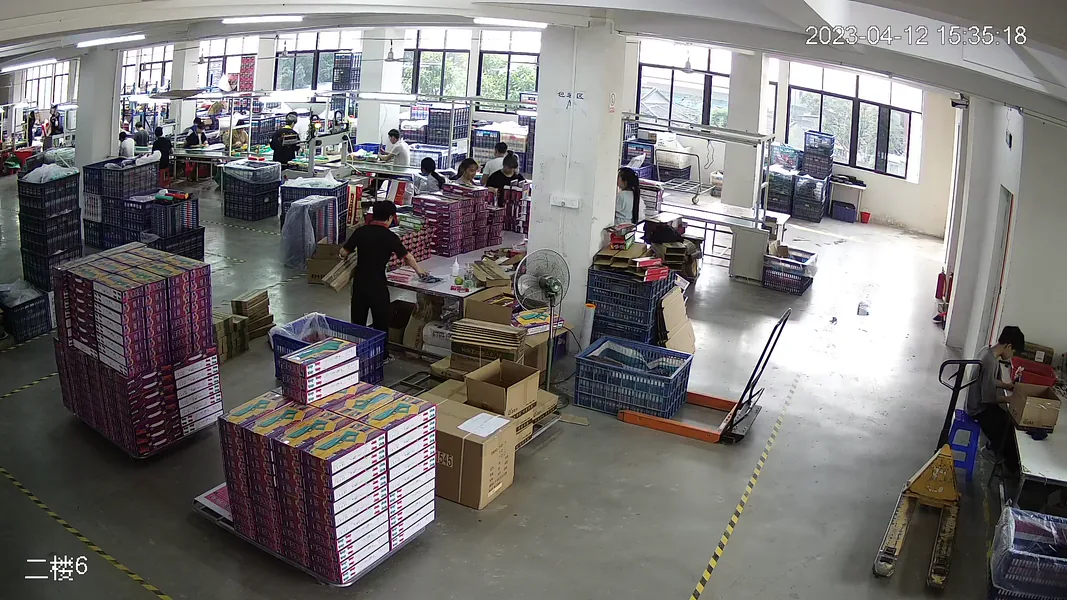
For a physical audit, ask for the QC shelf. A factory that can produce a sealed golden sample, a labelled revision card and a lot record on the spot is running a version discipline. A factory that can only produce a photo album is selling you a picture. Button-cell compartments illustrate the point: check screw closure, tool access and the warning before discussing toy function at all — a cute electronic that opens with fingernails does not ship, and US button-cell rules and the door design are the same conversation.
On the paperwork side, map market to document. A buyer once tried to use one certificate for both UKCA marking and a VOC file on an electric bubble machine; they are different papers for different purposes. Map the market, the lot and which file covers which test. Paperwork that does not match the lot is not paperwork.
Which mistakes make a sample and a quotation drift apart?
The expensive ones are quiet. Approving from a photo only. Accepting a fair sample as the production standard. Leaving the Incoterms version off a quotation — an FOB term with no named place once started a freight argument that lasted longer than production, and it is now written as the Incoterms version plus the named place, Shantou or Shenzhen as actually booked.
Tooling is the second quiet one. A buyer paid a tooling fee before the contract froze ownership, storage years and release conditions. When the tool sat idle, nobody knew who could move it. Write the fee, the ownership, the storage period and what happens if the tool sits idle. Tooling policy is a document, not a handshake.
Inspection is the third. No AQL number should be lifted from a catalogue sentence or an article. On the floor, a failed lot is isolated, the defect class is recorded, and release happens only after rework; the number itself comes from the agreed inspection plan on the PO. If your supplier cannot show that plan, you have no release rule — only an expectation.
How do you decide between concentrating and splitting your order?
Concentrating with one factory buys revision control: one tool, one golden sample, one packaging artwork, one inspection plan, and a single point of accountability when a version drifts. The cost is dependency and usually a higher entry volume per SKU.
Splitting across two or three suppliers buys resilience and price tension, and it fits assortment buyers who need many SKUs at modest depth. The cost is exactly the problem this article is about: every additional supplier adds another revision register, another packaging artwork, another document set, and another chance that the sample you approved is not the quotation you signed.
A workable middle path for most importers: concentrate the tool-driven, electronics-bearing or compliance-heavy items with one factory, and split the simple, low-risk assortment lines. Keep one register across all of them so a revision question can be answered from a single page rather than from a search through email.
FAQ: sample and quotation version control
What exactly should I compare first when a quotation arrives?
Compare the identity fields before the price: SKU, tool number, revision code and packaging artwork revision. If those are not stated, the price applies to an undefined version. Ask the supplier to restate the quotation with a revision reference, then compare it against the sample you physically hold.
Is a photo of the sample enough to approve production?
No. A photo cannot carry colour, fit, flash or function reliably, and exhibition lighting distorts colour. Require a sealed physical golden sample as the reference standard and keep it on the QC shelf. Buyers who approve from a photo alone typically discover the difference on the second lot.
How do I check that a certificate matches the version being quoted?
Match the document to the product configuration, age grade, standard edition, SKU and report date, then confirm it is mapped to the market you are selling into. A Children's Product Certificate is product-specific and is not a blanket factory certificate. If the file does not name the configuration you are buying, treat it as unverified for that order.
Our supplier says the MOQ is fixed. Does MOQ change with the revision?
Yes, revision and MOQ are linked. A colourway, material grade or packaging format change can shift the minimum run, because tooling, print setup and material purchasing change with it. Treat any MOQ as valid only for the exact revision quoted, and re-confirm it in writing if the revision moves. A figure such as an MOQ of 108 pieces belongs to that listed configuration, not to the family.
What should be frozen in the contract besides the price?
Freeze the Incoterms version with a named place, the tooling fee with ownership and storage period, the release conditions if the tool sits idle, and the inspection plan including defect classes and the release rule. An FOB term without a named place is an open dispute, not a price.
How do I stop a supplier from shipping a different revision later?
Write the revision into the purchase order, keep the sealed golden sample on the QC shelf as the comparison piece, and require a batch code or traceability marking on the product so a later lot can be identified. Then compare bulk against the physical sample for colour, fit, flash and function before release.
Sources
Request a quote or a factory audit
Send us the SKU, the functions list, the packaging revision you need and your destination market, and we will quote against a named revision rather than a family. If you want to verify the version discipline first, request a factory audit and we will walk you through the golden sample shelf, the revision card and the document mapping for your market.
Useful to include with your enquiry: the sample ID you already hold, the target standard or regulation for your market, and whether the tooling is shared or buyer-funded. That is enough to tell you whether the sample and the quotation are the same version — before you pay a deposit.